


How to choose the right excavator size for your site
Renting an excavator that is too big wastes money and cannot get into the site; too small and you pay for extra days. Here is how to match the machine to the job.
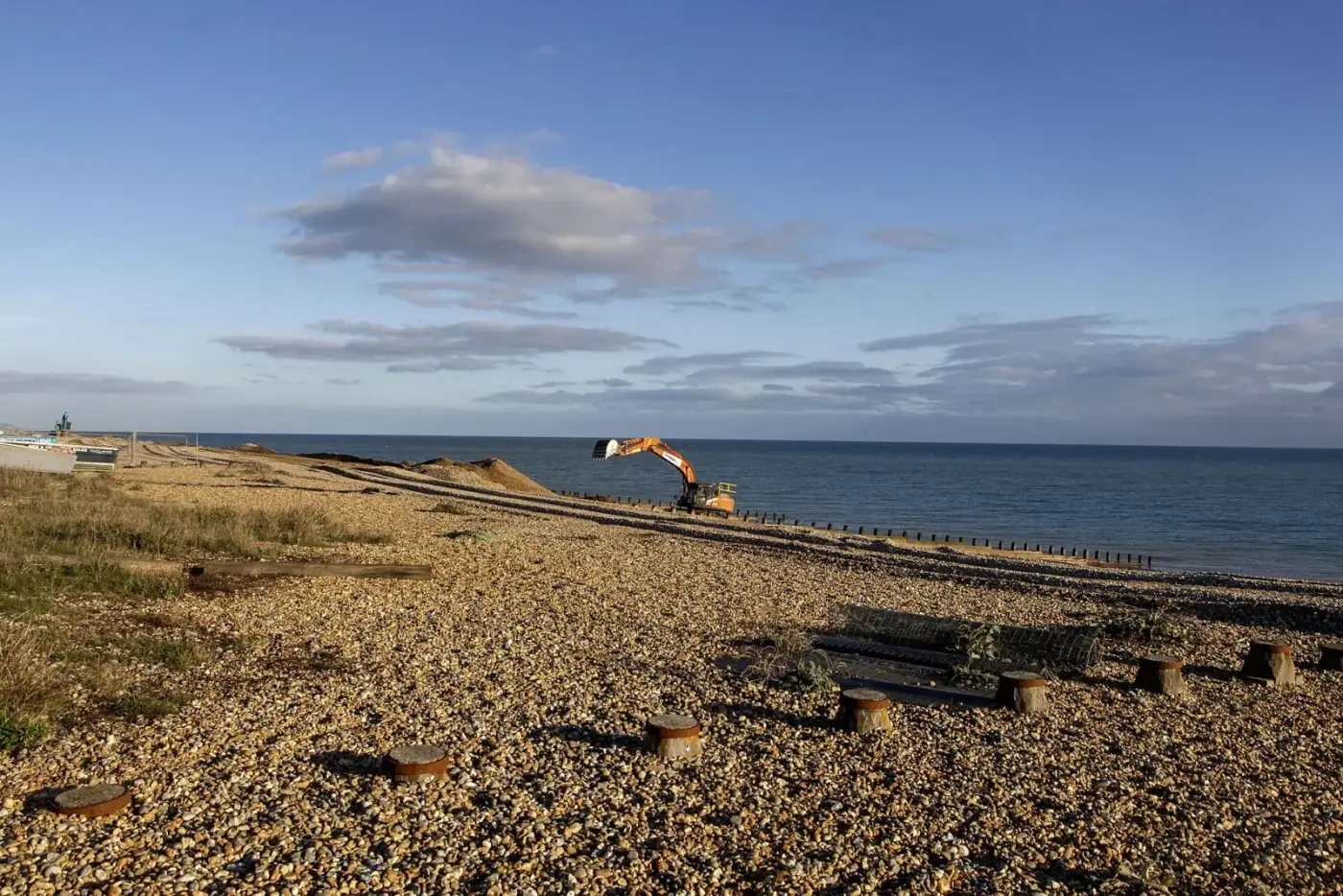
Excavators are sold and rented by operating weight, and in India you will mostly see machines described as 2-tonne, 7-tonne, 13-tonne, 20-tonne and 30-tonne class. That single number decides how much earth the machine moves in an hour, how deep it can dig, how much it costs per day, and — the part people forget until the trailer arrives — whether it can physically get onto your site.
Start with access, not with the digging
The most common mistake is to size the machine on the volume of earth and then discover it cannot reach the working area. Before anything else, measure the narrowest point on the route in: the gate, the lane, the ramp into the basement, the gap between the boundary wall and the existing structure. A 20-tonne excavator needs roughly 3 metres of clear width and a trailer that can turn into the site. If your access is a 2.5-metre gate on a residential plot, the size question has already been answered for you.
Also check what the ground can carry. A 20-tonne machine on soft filled ground or over a basement slab is a real risk. Where load is a concern, two smaller machines will often outwork one large one, because the large one spends its day on mats.
Match the class to the work
Mini excavators (1.5 to 6 tonnes). Interior work, plumbing and cable trenches, small footings, landscaping, demolition inside a compound. They fit through a standard gate, work close to walls, and do minimal damage to finished surfaces. Typical dig depth is 2 to 3.5 metres.
7 to 14 tonne class. The workhorse range for residential foundations, service trenches, road-side drains, small basements and site clearance. A 13-tonne machine digs to about 5 metres and loads a tipper comfortably. For most urban plot work in India this class is the safe default.
20 tonne class. Commercial basements, large foundations, canal and road work, bulk earthmoving with continuous tipper support. Dig depth around 6.5 metres, and it fills a 16-tonne tipper in three to four passes. If you have a continuous supply of tippers, this is where the cost per cubic metre falls sharply.
30 tonne and above. Quarrying, mining, major infrastructure. Rarely the right answer on a building site, and often impossible to get in.
Do the arithmetic on volume
Estimate the quantity in cubic metres, then divide by a realistic hourly output. A 20-tonne machine in ordinary soil moves roughly 60 to 90 cubic metres an hour with good tipper support; a 13-tonne machine, 35 to 55; a 7-tonne machine, 20 to 30. Hard murrum, weathered rock or wet clay can halve these figures, and so can waiting for tippers.
Take a 900 cubic metre basement. A 13-tonne machine at 45 cubic metres an hour needs about 20 working hours — three days. A 20-tonne machine at 75 needs 12 hours — a day and a half. If the 20-tonne machine costs 40 per cent more per day but finishes in half the time, the larger machine is cheaper, provided your tippers can keep up. If they cannot, you are paying premium rates for a machine that is standing still.
Depth, reach and the attachment
Check the maximum dig depth against your deepest excavation and add a margin — a machine working at its absolute limit is slow and hard on the operator. Check reach if you must load a tipper standing on the road while the machine works inside the plot. And ask about the bucket: a general-purpose bucket suits soil, a rock bucket with reinforced teeth suits hard strata, and a breaker attachment for rock is a separate rate, usually charged by the hour.
Before you confirm
- Is the operator included, and for how many hours per shift?
- Is diesel on your account? At 12 to 18 litres an hour for a 20-tonne machine, it is a large part of the day\'s cost.
- What is the transport charge to and from your site, and is the return leg included?
- What is charged beyond the standard shift, and is it agreed in writing?
Get those four answers in writing before the machine is dispatched and the rest of the job is straightforward. Every listing on BookMyEquipment states them on the page, so you can compare machines on the real cost of the day rather than on the headline rate.
Related articles

Crane rental checklist: 12 things to confirm before the crane arrives
A crane that arrives without the right capacity, papers or ground preparation costs you the whole day. Work through this list before you confirm the booking.

Choosing between a site mixer, a transit mixer and a concrete pump
Concrete equipment is chosen by pour volume, placing height and how fast the concrete must be in place. Get it wrong and you have a cold joint.

Backhoe loader vs excavator: which one does your job need?
A JCB-style backhoe does two jobs adequately; an excavator does one job extremely well. Knowing which you need saves both money and days.
