


Backhoe loader vs excavator: which one does your job need?
A JCB-style backhoe does two jobs adequately; an excavator does one job extremely well. Knowing which you need saves both money and days.
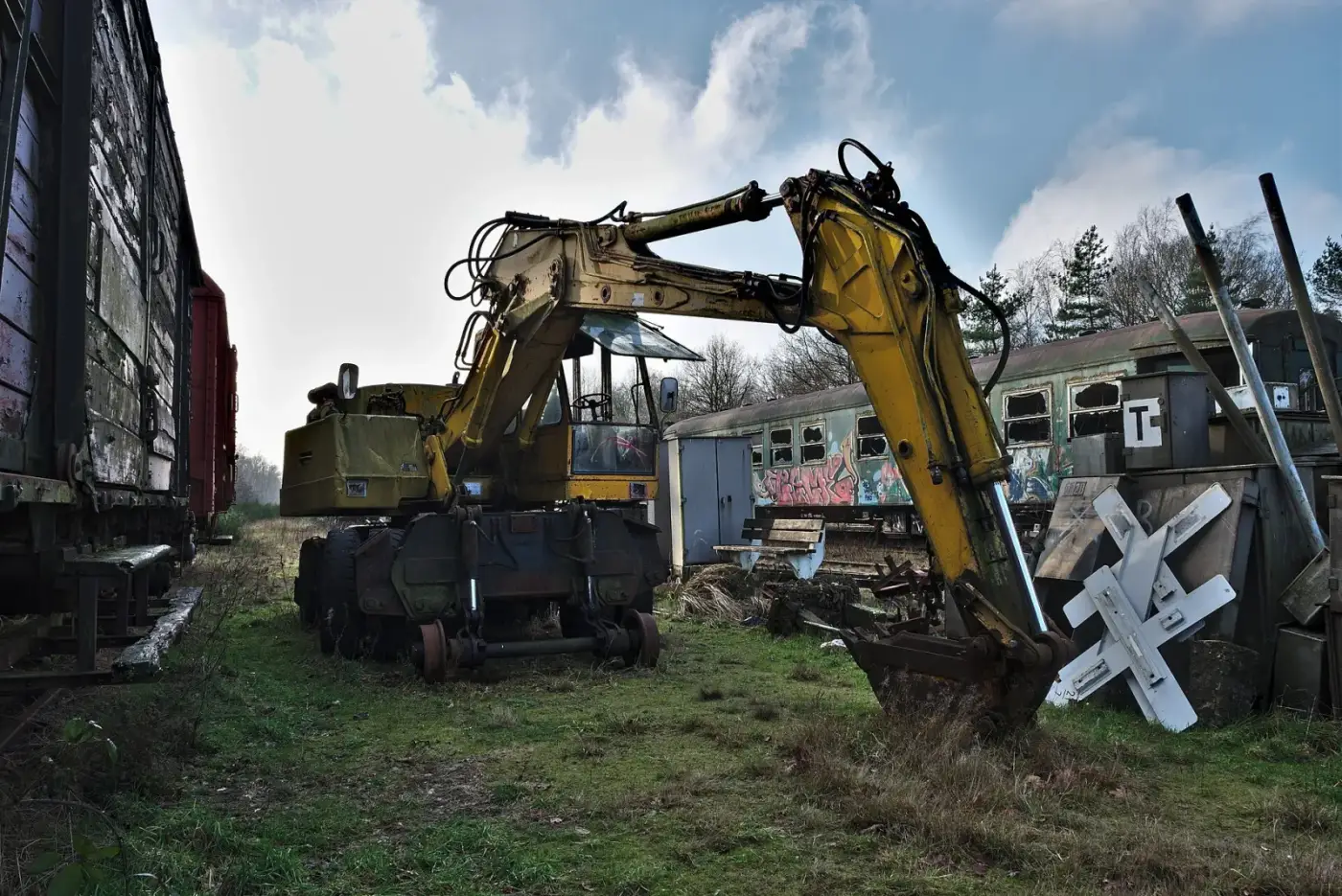
On most Indian sites the conversation starts with "get a JCB", which usually means a backhoe loader — a tractor-based machine with a loading bucket at the front and a digging arm at the back. An excavator is a different machine entirely: a tracked or wheeled undercarriage with a rotating upper structure carrying one large arm. They overlap enough that people treat them as interchangeable, and they are not.
What a backhoe loader is good at
The backhoe\'s advantage is that it is two machines in one and it drives itself between jobs. It digs a trench with the rear arm, then swaps to the front bucket to load the spoil, level the ground or carry material across the site — without a trailer and without a second machine.
That makes it the right choice for scattered work: service trenches, water and sewer lines, small footings, backfilling, site levelling, loading sand and aggregate, clearing debris, and short-distance material movement. On a road job where the work moves 500 metres a day, a backhoe simply drives to the next stretch. An excavator needs a trailer every time.
Its limits show up when the digging gets serious. A standard backhoe digs to about 4.5 metres, has a bucket around 0.25 cubic metres, and cannot rotate fully — the operator repositions the machine constantly. Bulk excavation on a backhoe is slow and expensive per cubic metre.
What an excavator is good at
An excavator does one thing and does it several times faster. Full 360-degree rotation means the operator digs and swings to the tipper without moving the machine. Bucket capacities run from 0.5 to well over 1 cubic metre, dig depths from 4 to 7 metres and beyond, and tracks give stability and grip that wheels cannot match on soft or sloping ground.
For basements, large foundations, bulk cut and fill, canal and drain work, rock breaking with a hydraulic hammer, demolition, and any job where a tipper is waiting, the excavator is the correct machine. It also handles attachments — breakers, rippers, grapples — that a backhoe cannot carry properly.
Its limits are mobility and access. It arrives on a trailer, it damages finished surfaces, and a tracked machine crossing a road needs planning and often permission.
A rough decision rule
- Under about 200 cubic metres of digging, spread across the site, with loading and carrying in between — backhoe loader.
- Over about 300 cubic metres concentrated in one area, with tippers on hand — excavator.
- Digging deeper than 4 metres, or hitting rock — excavator, no argument.
- Tight urban plot with a narrow gate and no room to work — mini excavator rather than either.
- Work that moves along a line all day, like a pipeline or road shoulder — backhoe, for the self-transport alone.
What each costs you
A backhoe rents cheaper per day and burns roughly 5 to 7 litres of diesel an hour. A 20-tonne excavator rents higher and burns 12 to 18. Judged on the day rate alone the backhoe always looks better. Judged on cost per cubic metre moved, the excavator usually wins by a wide margin on bulk work — often by half.
Do not forget transport. The backhoe drives to site, so on a job within the city there may be no trailer charge at all. Every excavator booking carries a trailer charge both ways, and on a one-day job that can be a significant share of the bill. For a single day of light digging inside the city, that alone can decide it.
The combination most sites actually want
On a medium building project the efficient answer is often both, at different stages: an excavator for the bulk cut, brought in for two or three concentrated days, and a backhoe kept on site for footings, trenching, backfill and general material handling. Paying for a large excavator to sit through the finishing stages is the most common way sites waste rental money.
Whichever you choose, confirm the operator, the diesel arrangement, the transport charge and the overtime rate before the machine is dispatched. Those four numbers decide the real cost of the day far more than the headline rate does.
Related articles

How to choose the right excavator size for your site
Renting an excavator that is too big wastes money and cannot get into the site; too small and you pay for extra days. Here is how to match the machine to the job.

Crane rental checklist: 12 things to confirm before the crane arrives
A crane that arrives without the right capacity, papers or ground preparation costs you the whole day. Work through this list before you confirm the booking.

Understanding hourly, daily, weekly and monthly equipment rates
The same machine can be priced four different ways. Knowing which structure suits your job — and what each rate leaves out — is where rental money is saved.
